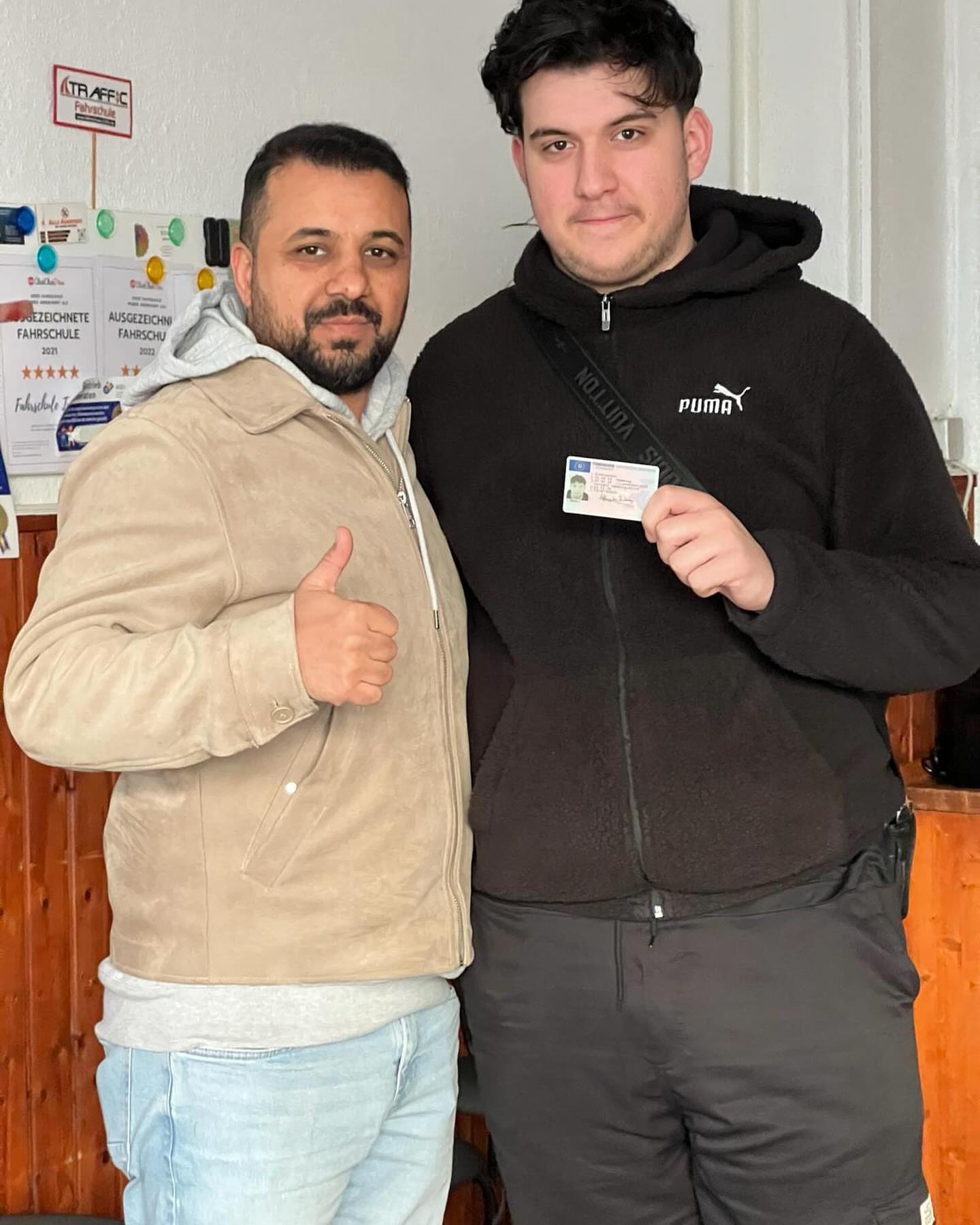
How Buying A Driver's License Legally In Germany Has Changed My Life The Better
Buying a Driver's License Legally in Germany: An Informative Guide
Owning a driver's license in Germany is important for many citizens and homeowners, giving them the liberty to drive and boosting their opportunities for travel and work. Nevertheless, the procedure of acquiring a driver's license can be detailed and lengthy. In this post, we'll explore the legal avenues offered for getting a chauffeur's license in Germany, consisting of a summary of the essential actions, requirements, and alternative pathways.
Understanding the German Driving License System
Germany boasts a structured and highly managed approach to releasing driver's licenses. There are numerous categories of car licenses based upon the kind of automobile being driven. The most typical ones consist of:
License Category
Type of Vehicle
Minimum Age
AM
Moped, little motorcycles (as much as 50cc)
15
A1
Motorcycles (up to 125cc)
16
A
Motorcycles (endless)
24 (20 with extra training)
B
Vehicles (up to 3.5 loads with no more than 8 passengers)
18
C
Trucks (over 3.5 loads)
18
D
Buses
24
BE
Light trucks with trailer
18
Requirements for Obtaining a Driver's License
To legally acquire a chauffeur's license in Germany, the following requirements should be satisfied:
- Age Requirement: Applicants must satisfy the minimum age for the respective license classification.
- Home: Applicants need to have a registered address in Germany.
- Identification: Valid recognition (such as a passport or nationwide ID) is needed.
- Emergency Treatment Course: Completion of a certified first aid course is obligatory.
- Eye Test: An eye test from an official optician is required to show visual fitness.
- Theoretical and Practical Tests: Applicants should pass written evaluations covering traffic laws and regulations, along with useful driving tests.
Step-by-Step Guide to Obtain a Driver's License
Step 1: Prepare the Necessary Documents
Before applying, collect the following documents:
Document
Description
Legitimate Identification
Passport or National Identity Card
Evidence of Residency
Registration documentation (Anmeldung)
First Aid Course Certificate
Evidence of finished emergency treatment training
Eye Test Certificate
Verification from an accredited optician
Passport Photos
Recent biometric pictures in the defined format
Action 2: Choose a Driving School
Choosing a trustworthy driving school is crucial, as they typically provide detailed training and assistance through the licensing procedure. Consider the following:
- Location and Accessibility: Ensure the school is easily located.
- Credibility: Look for reviews or request for suggestions.
- Cost: Compare costs for courses, including theory and practical lessons.
Action 3: Enroll and Complete Theoretical Training
Upon picking a driving school, enroll in a theoretical training course. This might include:
- Classes covering traffic signs, rules, and regulations.
- Online resources or driving simulators to enhance knowing.
Step 4: Pass the Theoretical Exam
After finishing the theoretical training, the student needs to take and pass the theory test. The test generally includes multiple-choice questions and might be taken in numerous languages.
Step 5: Start Practical Driving Lessons
As soon as the theoretical test is passed, students begin useful driving lessons. The period and frequency of lessons will vary based upon individual preparedness and preferences.
Action 6: Pass the Practical Test
After sufficient practice, students can schedule their useful driving test. An examiner will assess their driving abilities.
Action 7: Apply for the Driver's License
Once both tests are passed, submit an application at the regional driving license authority (Fahrerlaubnisbehörde), including:
- Test results
- Finished application
- Required documents
- Payment for the license charge
Step 8: Receive the Driver's License
Upon approval of the application, the chauffeur's license is issued, usually in the type of a plastic card.
Alternatives and Important Considerations
There are instances where people might want to get a chauffeur's license without going through the standard training route, such as having a valid license from another nation. In such cases, Germany permits for the conversion of foreign licenses depending upon the origin country.
List of Countries for License Conversion
Nation
Conversion Ability
EU Member States
Full conversion possible without tests
USA, Canada, Australia
Possible, however might need tests depending on state
Non-EU Countries
License may require tests or additional verification
Frequently Asked Questions (FAQs)
Q1: How long does it take to get a motorist's license in Germany?
The timeline differs relying on individual preparation, but the average timespan has to do with 3 to 6 months from registration to getting the license.
Q2: Can I utilize a foreign driver's license in Germany?
Yes, visitors can utilize their foreign licenses for a restricted time (typically as much as six months); after that, they will require to exchange it for a German license.
Q3: What is the cost of acquiring a driver's license in Germany?
The total expense can differ, however candidates need to anticipate to pay in between EUR1,500 and EUR2,500, including driving school fees, exam costs, and medical checks.
Q4: Can I drive in Germany with a global driving permit (IDP)?
An IDP stands for driving in Germany but needs to be accompanied by a legitimate nationwide driving license and is usually legitimate for approximately six months.
Q5: What should I do if I fail the driving test?
If the useful test is failed, applicants can retake it after a waiting period. Fuehrerschein In Deutschland ought to consider additional practice to enhance skills before the next effort.
Driving in Germany opens up various possibilities for travel and exploration, making the effort to get a chauffeur's license worthwhile. Understanding the process, collecting the best documents, picking a driving school, and getting ready for both theoretical and practical tests are vital actions. While it may at first appear challenging, being educated and arranged can enhance the experience and result in successful licensure.